Kenauk Nature
Kenauk Nature: Where Conservation, Community, and Tourism Coexist
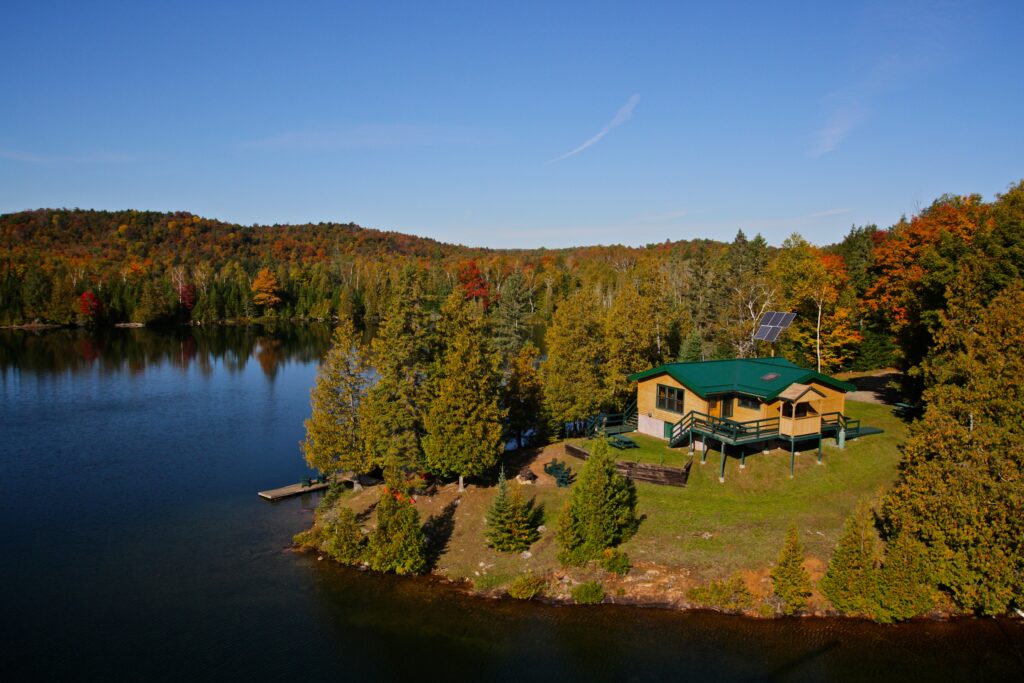
Tucked between Montréal and Ottawa lies a rare example of how conservation, economic viability, and equitable access to nature can work hand in hand. Kenauk is a 65,000-acre private nature reserve in southern Quebec. Kenauk Nature, one of the entities operating on this unique property, is redefining what it means to operate responsibly in the outdoor tourism space. The Outdoor Council of Canada team had the pleasure of visiting Kenauk and exploring its innovative model of operation.
At first glance, Kenauk might look like it’s just a high-end outfitter, offering elegant cabins, pristine lakes, and world-class fishing. But beneath the surface is a deeply intentional model that balances three intertwined priorities: active conservation and research, luxury tourism, and local access and enjoyment of nature.
A Living Laboratory
Kenauk’s vast property remains untouched, with minimal human impact. Managed under the umbrella of three complementary entities, Kenauk prioritizes conservation above all else. To ensure this vocation, a fourth non-profit organization, the Kenauk Institute, acts as a steward for the property and maintains a mission of environmental research, education and conservation.
Through the Kenauk Institute, the property functions as both a sanctuary and a living laboratory. The Institute’s board of directors, comprised primarily of scientists, oversee research initiatives that monitor biodiversity, forest health, and water systems, ensuring that every business decision is informed by ecological knowledge.
“We act based on research,” explains Simon, the General Manager of Kenauk Nature. “It’s about understanding the interconnection of the ecosystem before making decisions.” This research-first approach ensures that the tourism operations have minimal environmental impact on the property.
The Kenauk Institute oversaw more than 30 research projects that have led to remarkable discoveries, including cataloguing previously unknown insect species and identifying more than 120 endangered or rare species on its property. Kenauk is privileged to work with conservation leaders such as the Nature Conservancy of Canada.
Regenerative by Design
Kenauk’s economic model is as innovative as its conservation work. The property sustains itself through tourism and light-touch forestry focused on ensuring a resilient forest to climate change, with careful long-term planning ensuring that any resource extraction is regenerative and sustainable. Lumber harvested from the land is used to maintain cabins and infrastructure, closing the loop on operations.
“Our cabins make the tourism infrastructure financially viable,” says Simon. “But our sustainable forestry planning—done 10 years in advance—ensures that we preserve the natural capital. Tourism and forestry can coexist when conservation is the priority.”
Unlike high-traffic destinations, Kenauk intentionally limits visitation to just 1% of the density found in a national park. Their model prioritizes quality over quantity—offering guests a high-end, low-impact experience that preserves the integrity of the land.
Access for All
Despite its exclusivity, Kenauk is deeply rooted in community access. Through partnerships with local municipalities, residents receive annual passes for free entry to cross-country ski and hiking trails. The most visited days see only a few dozen locals—proof that the property maintains both serenity and accessibility.
Kenauk also invests in youth access: educational programs ran by the Kenauk Institute allow school groups to visit the property free of charge. With support from sponsors, the program often covers transportation costs, introducing hundreds of students each year to the natural world.
“It’s simple,” says Simon. “You protect what you love, and you only love what you know. If people don’t have access to nature, how can we expect them to care for it?”
Guides as Stewards
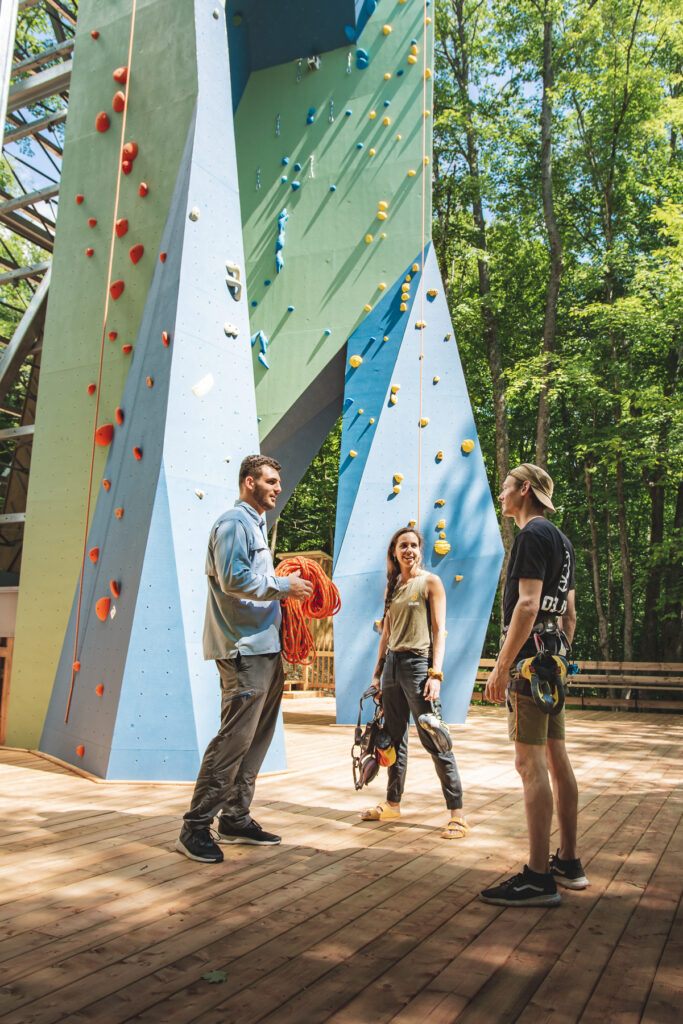
At the heart of Kenauk’s operations are certified outdoor professionals. Any adventure activity on the property must be led by a certified eco- or adventure tourism guide—often trained through the Outdoor Council of Canada (OCC).
This requirement isn’t just about safety; it’s about stewardship. “We want to make sure people are safe, yes—but also that every guest has a meaningful, high-quality experience that deepens their respect for the environment,” Simon explained.
For the OCC, this approach exemplifies how guides can serve as local stewards and key actors in regenerative tourism—bridging the gap between visitor experience, conservation, and cultural connection.
The Bigger Picture
Kenauk pushes the envelope on how outdoor recreation, luxury tourism, conservation and economic activity can intersect. Its integrated model demonstrates that a business can thrive while protecting biodiversity, supporting local communities, and empowering guides to lead with purpose.
As conversations around resilient tourism grow louder, Kenauk stands as a proof point: with thoughtful design, the outdoor sector can nurture both people and the planet. Because in the end, access and protection aren’t opposites—they’re partners.